
When The Village Feels Different
The quiet grief of watching people you love drift apart.

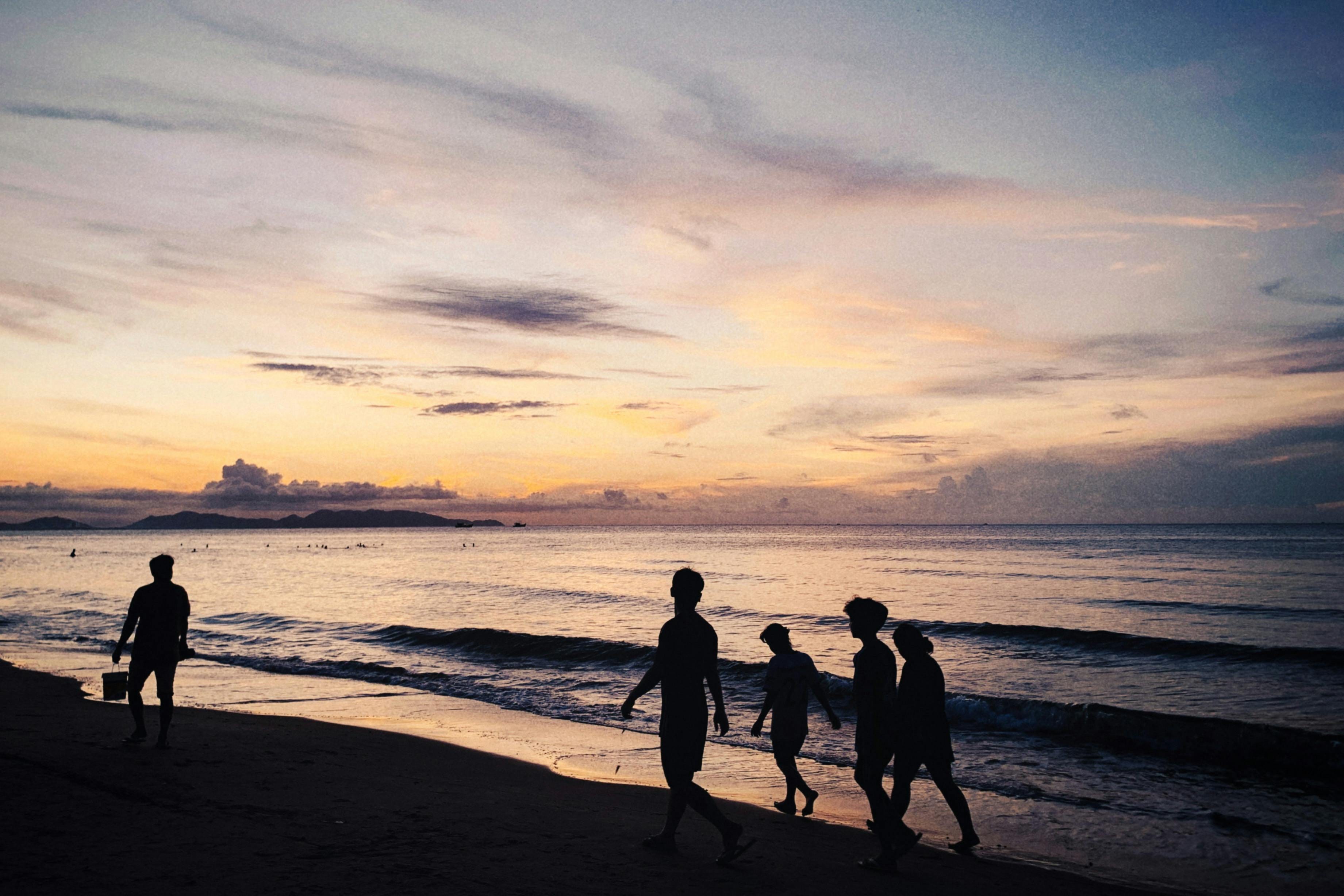
Lately, I’ve found myself carrying a sadness that doesn’t seem to belong to any one event.
Nothing catastrophic has happened. Nobody has died. There hasn’t been one single moment I can point to and say, “That’s why I feel this way.” Instead, it’s been a collection of small things. Conversations that feel heavier than they used to. Friends who seem frustrated with each other. Relationships under strain. Tempers flaring. Misunderstandings where there once seemed to be understanding.
Everywhere I look, it feels like people are fighting battles. Sometimes with each other, and sometimes with themselves.
As someone who loves community, this has been weighing on me.
I have always been drawn to people. I like gathering around tables. I like creating spaces where people feel welcome. I like watching friendships form and communities grow. Some of my happiest memories involve shared meals, beach rides, laughter, volunteering, and the simple comfort of knowing your people are nearby.
Maybe that’s why this season feels so uncomfortable.
When you value connection, you don’t just notice when people come together. You notice when they begin pulling apart.
The Weight of Being the One Who Notices
I think sensitive people carry a unique burden.
We often notice shifts before anyone says them out loud. We feel the tension in a room before a word is spoken. We pick up on the distance between friends, the frustration behind someone’s smile, or the hurt hidden beneath someone’s anger.
For years, I thought it was my job to do something about that.
To smooth things over.
To help people understand one another.
To remind everyone why they cared about each other in the first place.
To be the glue.
But the older I get, the more I realize that being aware of something does not automatically make me responsible for it. Even though I feel like I am.
That lesson has been difficult.
When you care deeply about people, watching them struggle can feel almost as painful as experiencing the struggle yourself. You want to fix it. You want to repair it. You want to gather everyone around a table and remind them of who they are.
But life doesn’t always work that way.
Sometimes people need to walk through their own lessons.
Sometimes relationships need space.
Sometimes conflict is part of growth.
And sometimes the most loving thing we can do is resist the urge to manage outcomes that don’t belong to us.
Seasons of Friction
I’ve started thinking of life in seasons.
There are seasons where everything flows effortlessly. New friendships form. Opportunities appear. Conversations are easy. People seem to move together with a shared sense of purpose.
And then there are seasons like this one. Seasons where everyone seems tired. Seasons where patience runs thin. Seasons where old wounds resurface. Seasons where people react from places they haven’t fully healed yet.
It’s tempting to believe something is wrong when we find ourselves in these periods. It’s easy to assume the community is breaking apart or that relationships are beyond repair.
But what if this season isn’t evidence that something is failing?
What if it’s evidence that something is changing?
Nature doesn’t bloom yearround. The ocean doesn’t stay calm every day. Even the strongest communities move through periods of expansion and contraction.
Perhaps human relationships do too.
Grief Doesn’t Always Arrive Through Death
One thing I’ve learned through my own journey is that grief shows up in many forms.
We grieve the loss of people. But we also grieve the loss of certainty. We grieve versions of ourselves. We grieve old routines. We grieve the way things used to be.
Sometimes we even grieve friendships that haven’t ended but have simply changed.
Watching people drift apart, argue, or move in different directions can trigger that same ache in our hearts. Not because the story is over, but because we can feel that the story is different than it once was.
And if I’m being honest, I think that’s part of what I’ve been feeling lately.
Not necessarily loss.
But change.
The realization that some chapters don’t stay frozen in time no matter how much we loved them.
Trusting What Comes Next
When I look back at the biggest transitions in my life, they almost always began with discomfort.
Before there was clarity, there was confusion. Before there was growth, there was uncertainty.
Before there was a new chapter, there was usually a period where the old one no longer fit.
When Garvan died, I couldn’t imagine what life would look like on the other side of that grief. When I stepped away from my career, I wondered who I would become without that identity. When Nathan grew older and began building his own life, I had to learn how to love him differently than before.
Every one of those transitions felt unsettling while I was living through it.
Only later could I see how necessary the change had been.
Maybe that’s true now too.
Maybe what feels like something falling apart is simply something rearranging itself. Maybe friendships are finding new shapes. Maybe people are learning lessons they need to learn. Maybe the village isn’t disappearing.
Maybe it’s evolving.
A Note to Nathan
Nathan,
One of the most important things I’ve learned is that you cannot hold every relationship together by yourself.
You can be kind. You can be loving. You can be supportive. You can show up.
But you cannot do other people’s growing for them.
As you move through life, you’ll witness friendships change. You’ll watch people make choices you don’t understand. You’ll see relationships flourish and others fade. Sometimes you’ll be able to help. Sometimes you’ll simply have to stand nearby and love people through their process.
Don’t let that harden your heart.
Keep believing in community. Keep believing in connection.
Keep believing that people are capable of finding their way back to themselves.
And when the village feels different, remember that change is not always an ending. Sometimes it’s simply the beginning of a chapter we haven’t learned to recognize yet.